


















Piggy Kingdom by olleyo presents itself as a standard match-3 puzzle experience on the surface, where players swap colorful objects to restore a pig's castle kingdom. Under this well-known formula, though, is a competitive live events structure that essentially conditions the experience of players, well or poorly.
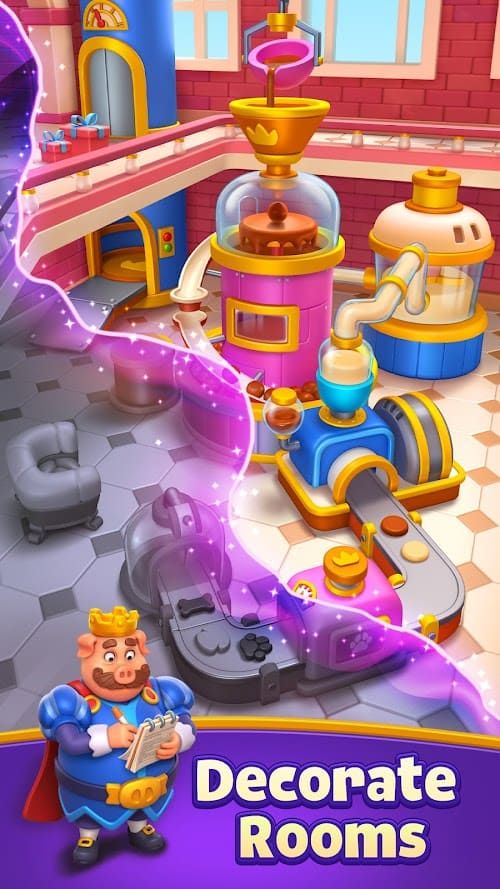
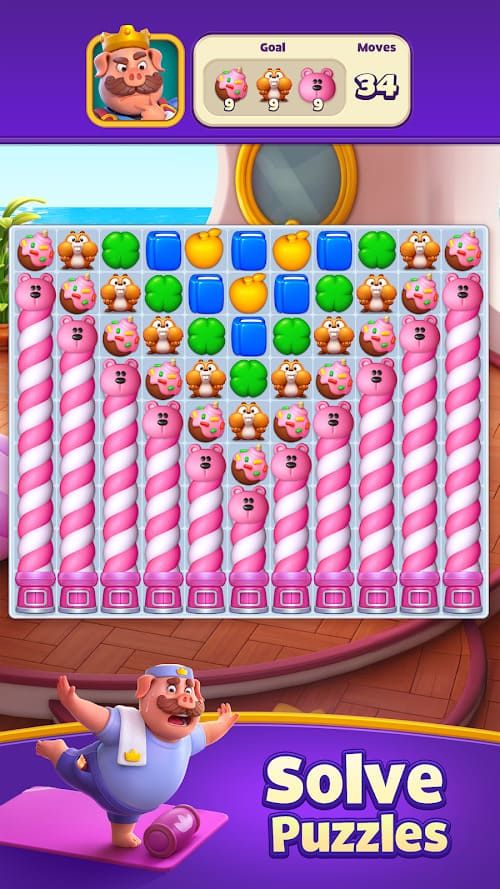
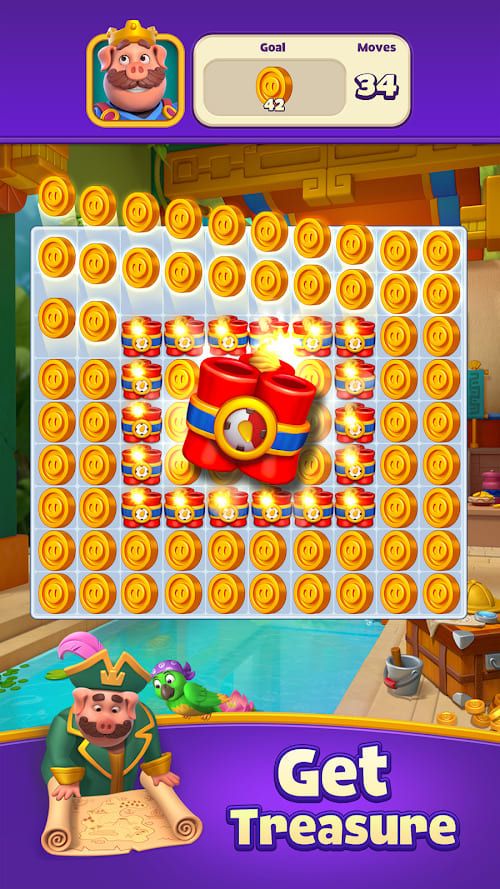
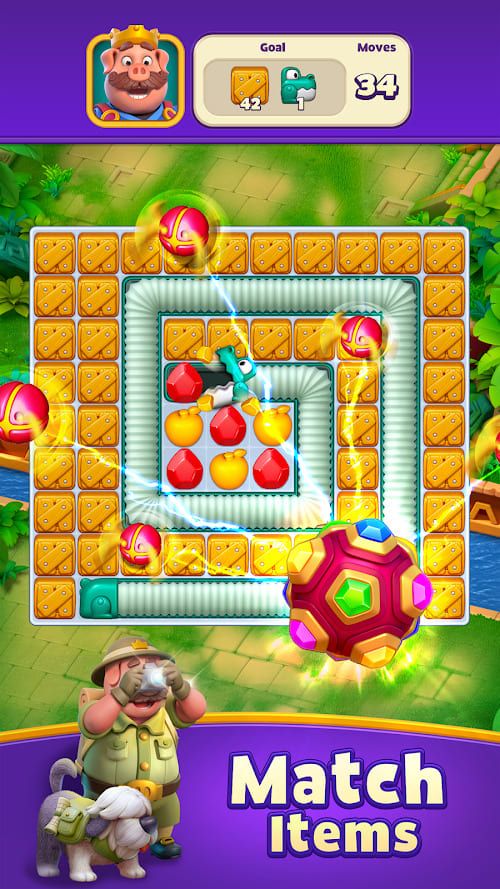
The basic mechanics of the game is typical of match-3 games: players combine three or more like-colored items to accomplish the goals of the level which can be to break a wooden box, mow the lawn, or to collect certain types of gems within a limited number of moves. Stars gained by success are spent on renovating areas of castles, and this will unlock outdoor fountains, shrubs, more and more detailed inside rooms with armchairs, lamps, shelves. The renovation meta provides no player choice in decoration styles, maintaining a linear progression path that some players appreciate for its simplicity.
Where Piggy Kingdom diverges from competitors is its aggressive implementation of competitive live events. Cake Duel and Bumper Duel pit players against opponents in timed competitions, requiring rapid level completion to accumulate higher scores than rivals. These events rotate regularly, creating constant pressure to participate. The competitive framework provides theoretical engagement that goes beyond the act of solving puzzles individually, turning a calming hobby into a more competitive challenge that will be welcome by players that enjoy a sense of achievement.
This competitive focus has its benefits in terms of retention of the players. Events also build scarcity and FOMO (fear of missing out) which makes people interact with the game everyday so that they do not fall behind the leaderboards. The faster way of earning rewards is by taking part in the events and the castle renovation is faster. The duel format also provides social validation, as defeating opponents delivers satisfaction beyond merely completing levels. For competitive personalities, this structure transforms routine puzzles into meaningful contests with stakes.
However, significant disadvantages plague the competitive system. Multiple players report that Bumper Duel appears rigged, with opponent scores remaining suspiciously static when players quit competitions. Top leaderboard players frequently display no profile statistics whatsoever, suggesting bot participation rather than genuine human opponents. This artificial competition undermines the entire competitive premise—if duels aren't genuine contests against real players, they're simply manipulative retention mechanics disguised as social features.
The competitive events also exacerbate monetization pressure. Since event success requires completing numerous levels quickly, players inevitably encounter difficult boards requiring either exceptional skill, accumulated power-ups, or purchased advantages. The game's strategy of placing difficult levels during competitive windows creates artificial scarcity of free resources precisely when players most need them. This "pay-to-compete" dynamic contradicts casual gaming expectations and explains player complaints about the game becoming a "money soaker" at higher levels.
Technical issues further compromise competitive events. Players consistently report third-party advertisement integrations (Snazzy, Best Play, Surveys to Go) forcibly ejecting them from active Cake Duel competitions, causing automatic losses through no fault of their own. This intersection of aggressive ad monetization with competitive timing represents poor user experience design that directly conflicts with the competitive integrity olleyo supposedly values.
Piggy Kingdom's competitive live events model successfully differentiates it within the saturated match-3 market, creating engagement hooks beyond traditional puzzle progression. However, questionable opponent authenticity, monetization pressure during competitions, and technical reliability issues significantly compromise the competitive experience. Players seeking genuine competitive challenges should approach cautiously, while those preferring relaxed puzzle-solving might find the constant event pressure exhausting rather than exciting. The competitive focus works theoretically but stumbles considerably in execution.
By Jerry | Copyright © Gameyaya - All Rights Reserved